
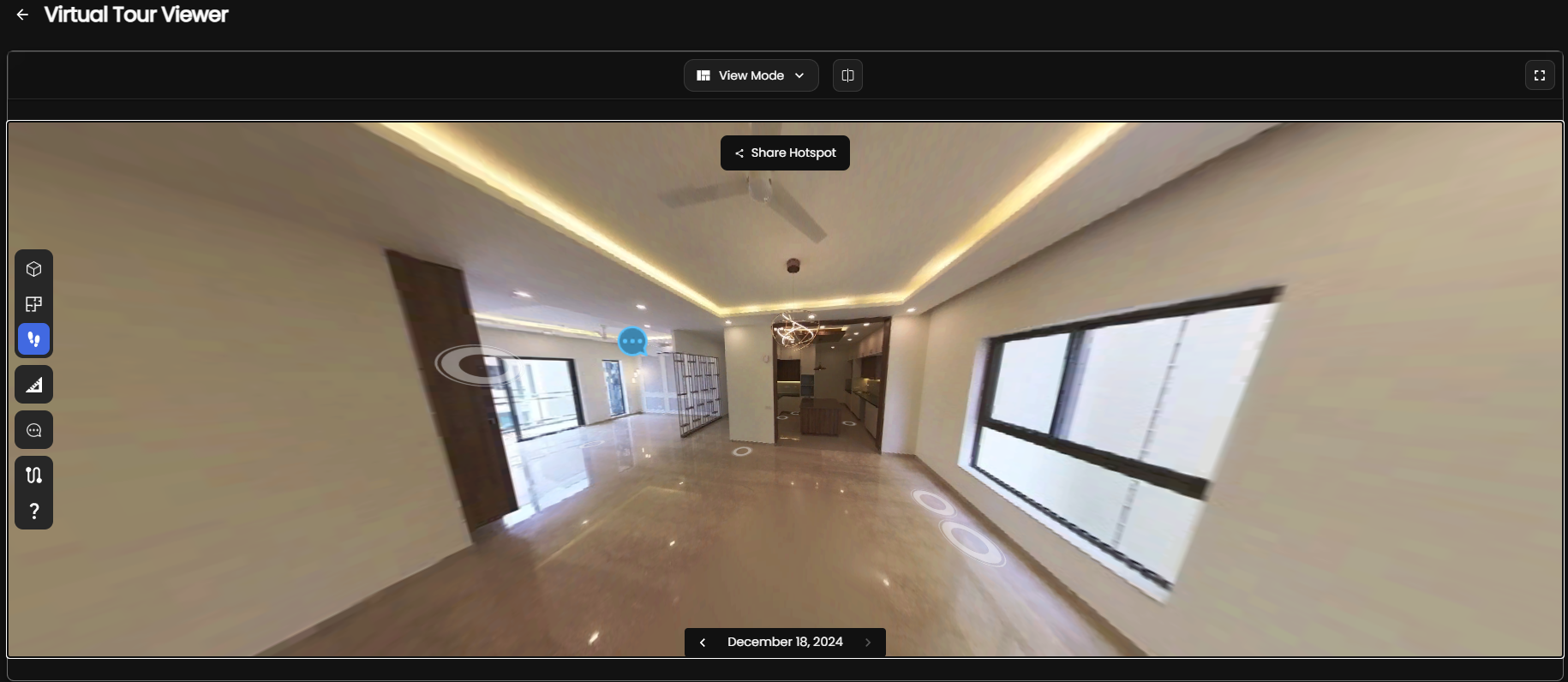
AI is quickly changing how AEC teams turn site reality into usable project data. Instead of waiting on manual redlining, fragmented photos, and slow modeling cycles, teams can now combine 360° capture, spatial AI, and automated processing to move from site visit to decision-ready documentation faster.
What problem does AI solve in AEC?
The core problem is speed without losing accuracy. On real projects, teams need as-built data, coordination inputs, and visual records quickly. Traditional workflows often create bottlenecks because scans, photos, notes, and models live in separate systems. AI helps unify capture, extract structure, and accelerate delivery.
Why are 360° cameras important?
360° cameras make site capture faster and easier to repeat. They are useful when teams want broad visual coverage, virtual tours, progress documentation, or a fast starting point for more detailed spatial workflows. When paired with AI, 360° capture becomes a practical front end for documentation and analysis.
How does scan-to-BIM become faster?
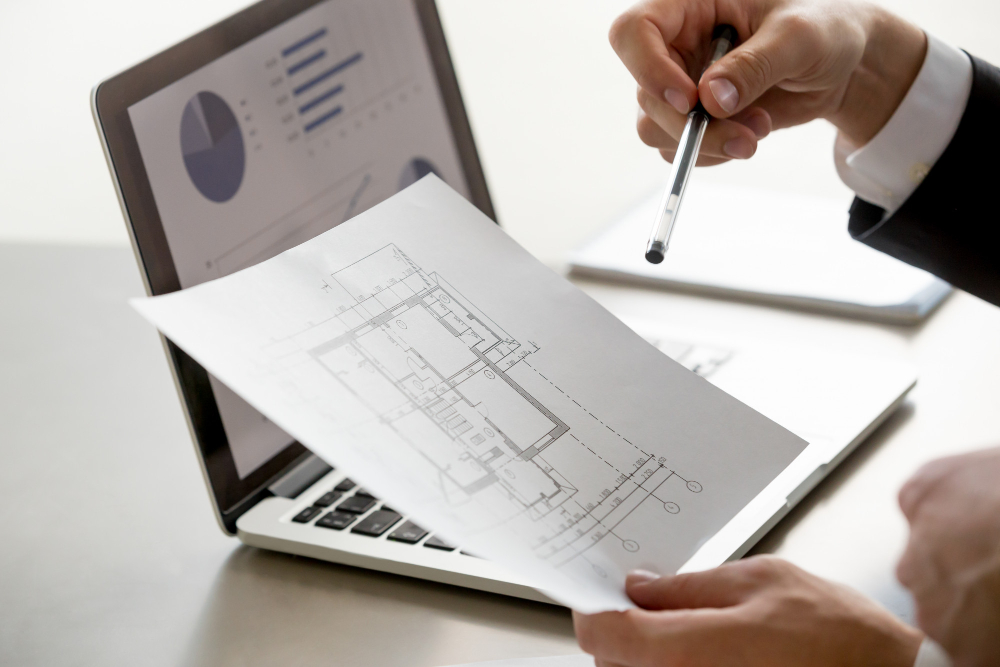
Scan-to-BIM gets faster when capture, alignment, classification, and modeling are treated as part of one workflow. AI can help identify surfaces, rooms, openings, and assets, while human expertise still handles quality control and final model decisions. The result is a shorter path from raw data to usable BIM deliverables.
Where do Gaussian splats and virtual tours fit?
Gaussian splats and virtual tours are useful when teams need highly navigable visual context for stakeholders, remote review, or documentation. They do not replace engineering-grade models, but they do make spatial communication faster and easier for owners, contractors, and facility teams.
How does Preimage help?
Preimage helps AEC teams turn site capture into practical deliverables such as point clouds, scan-to-BIM models, virtual tours, and other documentation workflows. That makes it easier to support renovations, facility planning, design coordination, and as-built documentation without building every workflow in-house.
When should a team use this approach?
This approach makes the most sense when the project needs accurate existing-condition data, fast turnaround, and a clear handoff into BIM or documentation. It is especially relevant for renovations, retrofits, facility management, campus work, and multi-site asset programs.
What should teams do next?
Start with the problem you are trying to solve: faster as-builts, better site visibility, or more reliable BIM inputs. Then choose the capture and processing workflow that fits the accuracy, timeline, and cost target. For many AEC teams, that is where AI-assisted capture becomes a real competitive advantage.



.webp)